What Are Natural Food Supplements
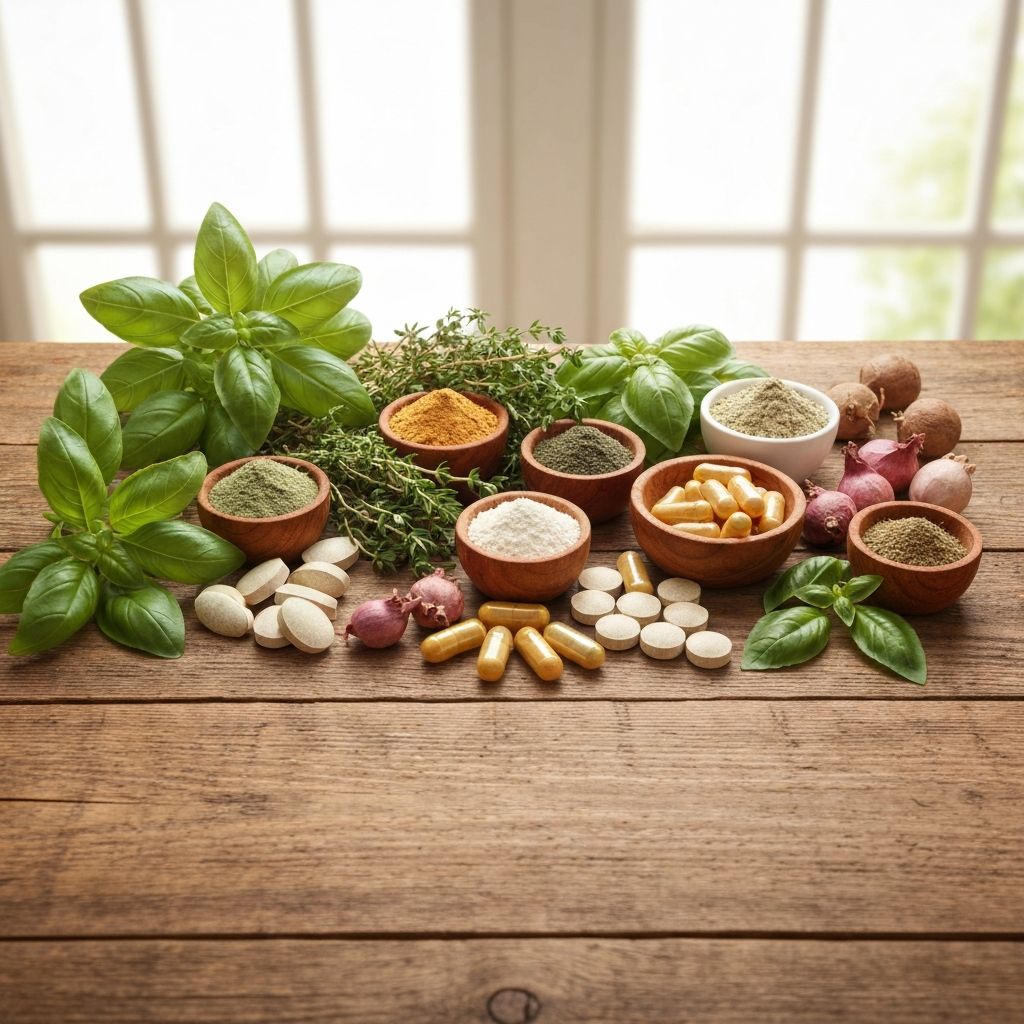
Natural food supplements are dietary products derived from plant, mineral, and nutrient sources that complement everyday nutrition. These supplements contain botanical extracts, vitamins, and minerals sourced from nature, designed to support a balanced diet and active lifestyle. Understanding their composition helps you make informed decisions about incorporating them into your daily routine.
The focus is on transparency, natural origins, and educational awareness. Unlike synthetic alternatives, natural supplements emphasize whole-food ingredients and minimal processing, aligning with a philosophy of mindful consumption and holistic nutrition.
Origins of Plant-Based Ingredients
Plant-based ingredients in natural supplements come from diverse botanical sources cultivated across different regions. These include herbal extracts, root powders, leaf concentrates, and flower essences that have been part of traditional nutrition practices for generations.
The journey from plant to supplement involves careful harvesting, processing, and quality assessment to preserve the natural properties of each ingredient. Understanding these origins provides insight into the authenticity and integrity of the supplements you choose.

The Role of Supplements in Daily Nutrition

Supplements serve as complementary additions to a well-rounded diet, not replacements for whole foods. They can help fill nutritional gaps that may occur due to dietary preferences, busy lifestyles, or specific nutritional needs. The key is viewing them as one component of overall nutrition strategy.
Incorporating supplements mindfully means understanding your individual dietary patterns, recognizing where additional support might be beneficial, and choosing products that align with your nutritional goals and lifestyle habits.
Balanced Nutrition and Lifestyle Integration
A balanced approach to nutrition encompasses whole foods, hydration, physical activity, and adequate rest. Natural supplements fit into this framework by providing concentrated nutrients that support daily dietary intake. The emphasis remains on building sustainable habits rather than seeking quick fixes.
Lifestyle integration means considering how supplements work alongside your eating patterns, exercise routines, and daily rhythms. This holistic perspective recognizes that wellness comes from multiple factors working together harmoniously.
Vitamin Components from Natural Sources
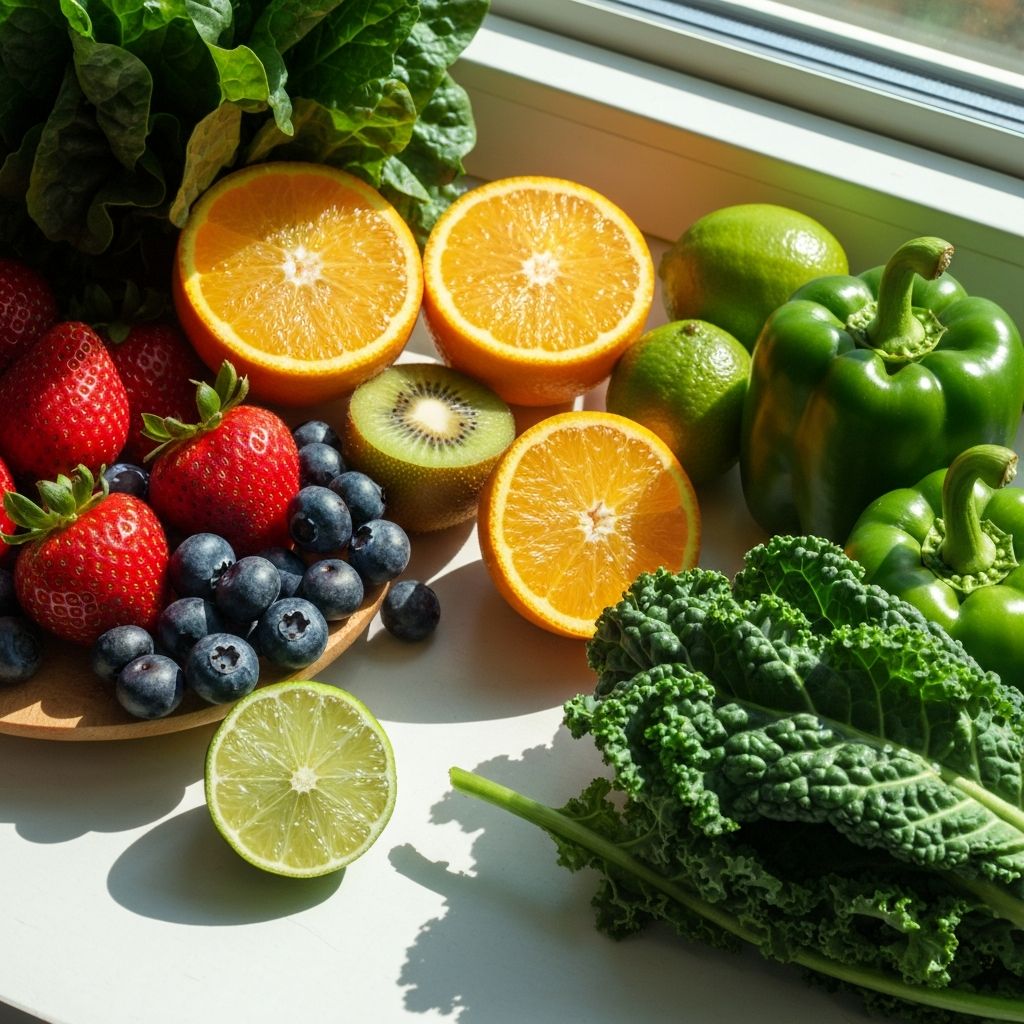
Vitamins in natural supplements are often derived from whole food sources like fruits, vegetables, and botanical extracts. These food-derived vitamins come with naturally occurring cofactors that may enhance their integration into your nutrition routine.
Common sources include citrus fruits for vitamin C, leafy greens for vitamin K, and various plant oils for vitamin E. Understanding these natural origins helps you appreciate the difference between isolated synthetic vitamins and whole-food derived nutrients.
Minerals in Nutrition Without Exaggeration
Minerals play essential roles in various bodily functions, from bone structure to enzyme activity. Natural mineral supplements source these elements from sea vegetables, mineral-rich soils, and ancient deposits, providing them in forms that align with natural dietary patterns.
Common minerals include calcium from algae sources, magnesium from mineral salts, and trace minerals from sea-based ingredients. The focus is on adequate intake through diet first, with supplements serving as additional support when needed.
Plant Extracts in Daily Habits

Herbal and botanical extracts have been incorporated into daily nutrition practices across cultures for centuries. These concentrated plant compounds offer various phytonutrients, antioxidants, and naturally occurring compounds that complement modern dietary approaches.
From green tea extract to turmeric root powder, these botanicals bring diversity to your nutritional intake. The key is understanding their traditional uses, natural properties, and how they fit into contemporary nutrition frameworks.
How to Read Product Composition
Understanding supplement labels is crucial for informed decision-making. Look for clear ingredient lists, standardized extract information, and transparency about sourcing. Quality supplements provide detailed information about each component, including botanical names and concentration levels.
Key elements to examine include the ingredient source (synthetic vs. natural), added fillers or binders, serving sizes, and any certifications. This knowledge empowers you to choose products that align with your nutrition philosophy and quality standards.
Explore our educational approachMindful Approach to Supplement Selection
A mindful approach involves researching ingredients, understanding your individual nutritional needs, and choosing supplements that complement rather than complicate your diet. It means asking questions about sourcing, processing methods, and ingredient quality.
Consider factors like bioavailability, ingredient synergy, and alignment with your dietary preferences. This thoughtful process ensures that supplements truly serve your nutritional goals and lifestyle choices.

Supplements and Physical Activity
Active lifestyles may create additional nutritional considerations. Natural supplements can support your activity levels by providing concentrated nutrients that complement your food intake during periods of increased physical demand.
This doesn't mean supplements replace proper nutrition for active individuals, but rather they serve as convenient nutrient sources that fit into busy schedules and varied dietary patterns. The foundation remains whole foods, adequate hydration, and balanced meals.
Supplements as Part of Routine, Not Food Replacement

The fundamental principle is that supplements complement rather than replace whole foods. They work best when integrated into an already balanced dietary pattern, filling specific nutritional gaps rather than serving as primary nutrition sources.
Think of supplements as supportive tools in your overall nutrition strategy. They're most effective when combined with diverse whole foods, regular meals, and mindful eating practices that prioritize nutritional variety and quality.
Nutrition Consultant Insights on Daily Balance
Our nutrition consultants emphasize the importance of viewing supplements within the broader context of lifestyle and dietary patterns. They provide educational guidance on ingredient selection, timing of supplementation, and integration with whole-food nutrition.
Their role focuses on information and education rather than prescriptive advice, helping you understand how different nutrients work, what to look for in quality supplements, and how to build sustainable nutrition habits that support your individual lifestyle.

Educational Materials About Ingredients
Understanding ingredient properties, origins, and natural characteristics forms the foundation of informed supplement choices. Educational resources help demystify botanical names, explain extraction processes, and clarify what different nutrients contribute to daily nutrition.
From monographs on specific herbs to guides on vitamin sources and mineral forms, comprehensive education empowers you to make choices aligned with your values and nutritional philosophy. Knowledge transforms supplement selection from guesswork into informed decision-making.
Dive deeper into the topicCommon Questions About Food Supplements
What makes a supplement "natural"?
Natural supplements derive their ingredients from plant, mineral, or whole-food sources rather than synthetic laboratory creation. They emphasize minimal processing and preservation of naturally occurring compounds.
How do I know which supplements fit my lifestyle?
Consider your dietary patterns, activity levels, and nutritional preferences. Consulting with nutrition professionals and researching ingredient properties helps identify supplements that complement your individual needs and goals.
Can supplements replace a balanced diet?
No. Supplements are designed to complement whole-food nutrition, not replace it. They work best as part of a diverse diet rich in fruits, vegetables, whole grains, and quality protein sources.
What should I look for on supplement labels?
Check for transparent ingredient lists, clear sourcing information, standardized extract details, and absence of unnecessary fillers. Quality products provide comprehensive information about each component.
Expand Your Understanding of Natural Nutrition
Explore our educational resources to learn more about natural food supplements, ingredient origins, and mindful nutrition practices.
Learn About Our Platform Get in Touch